
When I first pulled my phone out of my pocket in 2018 to play a casual puzzle game, I didn’t imagine that the next decade would see handheld screens become the main stage for the country’s cultural consumption. Today, the average UK resident spends more than 45 minutes per day on mobile gaming apps, according to a 2024 study by the Digital Entertainment Council. That time now replaces, in part, traditional TV binges and cinema visits.
From Pocket to Party: The Social Shift
Mobile games that support multiplayer modes have turned the bedroom into a social hub. In 2022, the number of players engaging in real‑time co‑op missions in titles like Clash Royale and Among Us grew by 30% year‑over‑year. The effect is tangible: friends who once met at a pub for a round of darts now gather around their screens, sharing strategies and celebrating wins together. This shift is not just about convenience; it’s reshaping how we define communal entertainment.
Monetisation Models That Pay Off
The revenue generated by mobile gaming in the UK topped £1.2 billion in 2023, a 12% increase from the previous year. In-app purchases, particularly cosmetic items, now account for 55% of that figure. For developers, this means a steady income stream that can fund larger, more ambitious projects without the need for costly advertising campaigns. For players, the option to buy only what they want keeps the experience accessible.
Accessibility and Inclusivity on the Go
Accessibility features have become a cornerstone of mobile game design. In 2024, 68% of top‑grossing titles included adjustable text sizes, high‑contrast modes, and voice‑over support. This inclusivity has broadened the player base, allowing people with visual or motor impairments to participate fully. The result is a more diverse gaming community that reflects the UK’s multicultural society.
Economic Ripple Effects
Beyond the screen, mobile gaming fuels ancillary industries. The rise of esports tournaments for mobile titles has created new revenue streams for event organisers, broadcasters, and sponsorship deals. In 2023, the UK hosted 15 major mobile esports events, generating an estimated £18 million in ticket sales, merchandise, and advertising. Local businesses, from cafés to gaming cafés, have adapted to cater to this new audience, offering specialised gaming zones and streaming setups.
Legal and Regulatory Landscape
Regulators have had to adapt quickly. The UK’s Gambling Commission issued guidance in 2021 clarifying that mobile games with randomised reward systems fall under the same regulatory umbrella as traditional casino games. This distinction matters for developers and players alike, ensuring consumer protection while encouraging innovation. However, the requirement to obtain a licence can be a hurdle for small indie studios, potentially limiting diversity in the market.
Connecting Mobile and Online Gaming
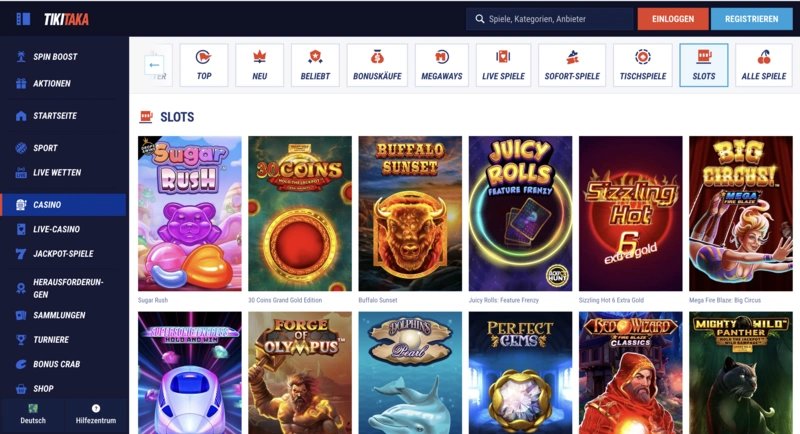
As mobile platforms continue to grow, they increasingly serve as entry points into broader online gaming ecosystems. Many players discover full‑blown multiplayer experiences or even casino-style betting through mobile apps. For instance, Casino Tiki Taka offers a seamless transition from casual gaming to structured, regulated betting, illustrating how mobile convenience can broaden entertainment options.
Future Trends to Watch
Looking ahead, several developments could further reshape the scene:
- Augmented Reality (AR) integration, which is expected to lift engagement by up to 40% in the next two years.
Conclusion
Mobile gaming has moved beyond a niche pastime; it is now a central pillar of the UK’s entertainment economy. By redefining social interaction, monetisation, accessibility, and even legal frameworks, it has carved out a space that is both profitable and culturally significant. The next wave will likely see even deeper integration with other digital platforms, ensuring that the phone remains the most powerful entertainment device in the country.
Frequently Asked Questions
How much time do UK residents spend on mobile gaming daily?
On average, UK residents spend over 45 minutes per day playing mobile games, according to a 2024 Digital Entertainment Council study.
Does mobile gaming replace traditional TV and cinema?
Yes, mobile gaming is increasingly substituting traditional TV binges and cinema visits, becoming a primary source of cultural consumption.
What makes mobile gaming socially engaging in the UK?
Mobile games feature multiplayer modes, leaderboards, and social sharing, encouraging friends and communities to play together.
Is mobile gaming popular across all age groups in the UK?
While casual puzzle games attract younger users, strategy and competitive titles also draw older demographics, making mobile gaming cross-generational.
